LED (dvLED) Video Walls
LED video walls have become the standard for high-impact visual displays in everything from corporate boardrooms to outdoor advertising hoardings. Brighter than projectors, more flexible than LCD screens, and increasingly cost-effective, they offer a permanent, low-maintenance display solution for almost any environment. This site covers everything you need to know before buying one.
What are
LED Video Walls?
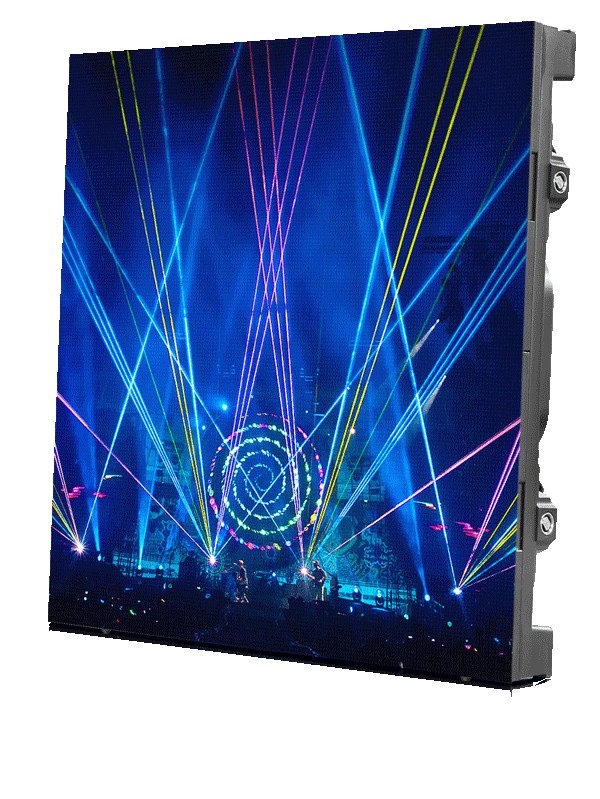
An LED video wall (sometimes known as dvLED) is a large display surface made up of individual LED panels bolted together to form a seamless screen of almost any size or aspect ratio. Unlike LCD screens, there are no bezels between panels, giving a clean, uninterrupted image. Unlike projectors, they produce a bright, vivid picture in high-ambient-light environments and require no throw distance or darkened room. Each panel contains thousands of LEDs grouped into pixels, and it is the spacing between those pixels (pixel pitch) that determines the image resolution and minimum comfortable viewing distance.
Why Organisations Choose LED Video Walls
Whether you are looking to engage customers in a retail or hospitality environment, improve communication in a corporate setting, or create a dramatic backdrop for events and broadcasts, an LED video wall delivers measurable impact. Running costs are low, content can be updated remotely, and a well-specified installation will typically last 10 years with minimal maintenance.
Energy Efficiency
LED panels are energy-efficient and consume significantly less power than traditional LCDs screens.
Long Lifespan
LED video walls typically outlast their counterparts, reducing waste and saving money in the long run.
Low UV Light Emissions
This attribute makes LED panels safe for various surfaces and for human health.
Versatility
LED video walls are capable of producing a wide range of colours and shades, enhancing creative flexibility.
Durability
With a low operating voltage, LED panels can withstand harsh conditions such as extremely low temperatures.
Design flexibility
LED panels come in a wide array of sizes and types, including physically flexible ones, providing a significant boost in design creativity.
The Overview
For most indoor installations, SMD is the right choice. It delivers excellent image quality, is widely supported, and offers the best value at typical viewing distances. COB is worth specifying where the wall will be in a high-traffic area subject to accidental contact or cleaning, or where it will be installed outdoors. Tri-LED installations are now rare for new projects and are unlikely to be recommended unless your application requires very large pixel pitch at very long viewing distances.
The Technicalities
of LED Video Walls?
LED video walls can be constructed in different ways, each with unique characteristics. Below are the three major types of LED video wall construction:
1. Chip-on-Board (COB): This is the most premium type of LED video wall construction. In this process, the LED chip is directly attached to the circuit board and then bound with resin. COB offers a high degree of weather resistance, making it suitable for outdoor LED panels that require protection against the elements.
2. Surface-Mount Device (SMD): In SMD LED video walls, the LEDs are soldered onto the circuit board, but they are not directly mounted. This construction technique is becoming more popular because it’s less expensive than COB, yet it still delivers a high-quality visual output.
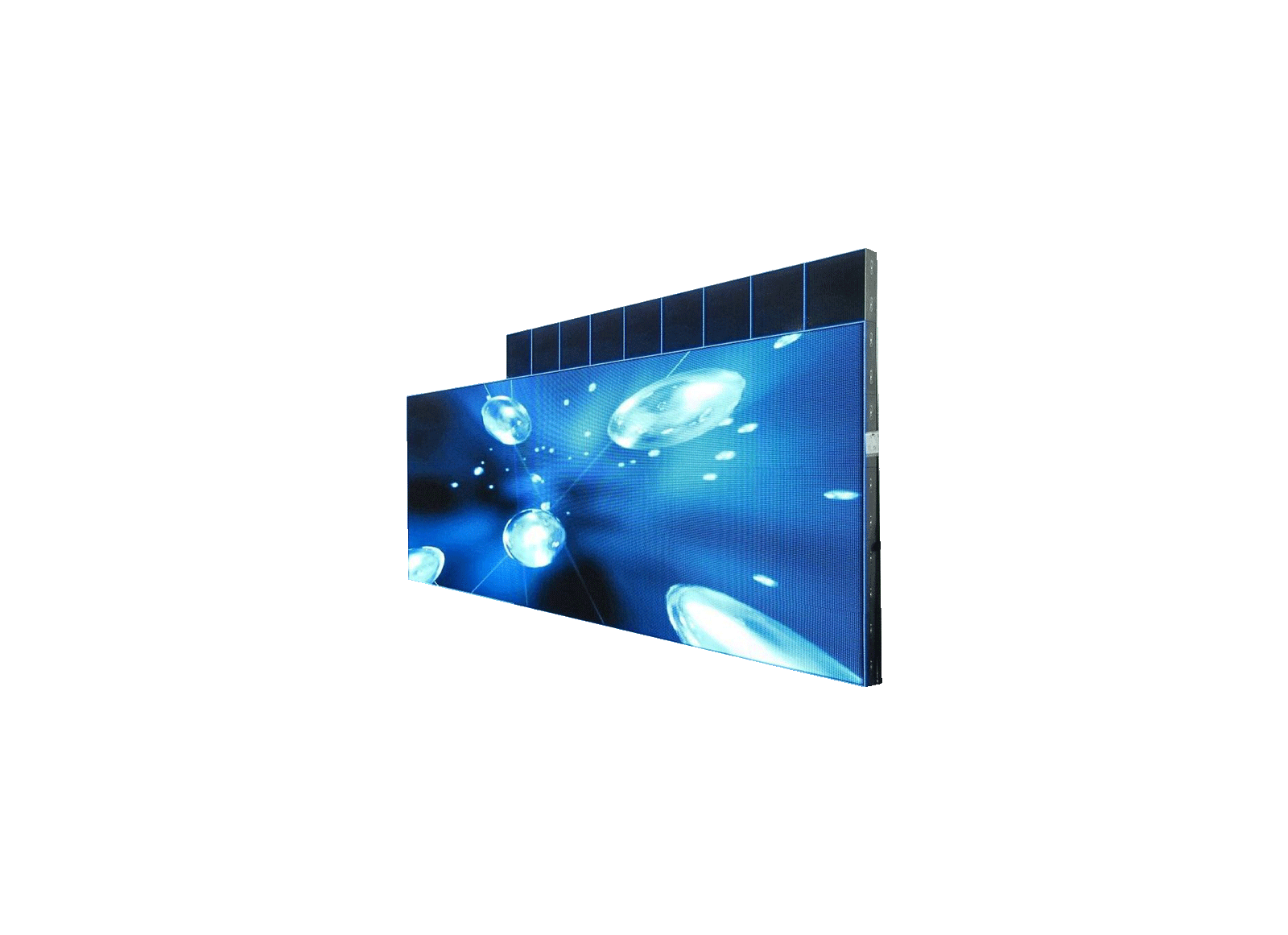
3. Tri-LED or Three LED: As the name suggests, this construction uses three LEDs to create a pixel colour. The brightness of each LED can be varied, allowing for a broad spectrum of colours. This type of LED video wall is typically used when the viewing distance is far away, like for larger billboards. However, it is gradually becoming less popular as SMD technology becomes cheaper.
Regardless of the construction method, LED video walls are built to withstand a range of environments, from indoor corporate use to outdoor advertising. Each construction offers unique advantages in terms of cost, durability and visual quality.
Pixel Pitch Explained
Pixel pitch is the distance in millimetres between the centre of one LED cluster (pixel) and the next. The smaller the pitch, the higher the resolution and the closer the viewer can comfortably stand. It is the single most important specification to get right.
As a general rule, divide the pixel pitch by 10 to get the minimum recommended viewing distance in metres. A 2.5 mm pitch wall is best viewed from at least 2.5 m away; a 4 mm pitch wall from 4 m. For a large atrium where viewers rarely stand closer than 5 m, a 4 or 5 mm pitch is perfectly appropriate and significantly cheaper than 2 mm. For a boardroom or retail display where viewers may be within 2 m, a 1.5 or 2 mm pitch is worth the additional cost.
| Pixel Pitch | Min. Viewing Distance | Best For | Relative Cost |
| 1.2 mm | 1.2 m | Close-up boardrooms, broadcast studios | Premium |
| 2.0 mm | 2.0 m | Meeting rooms, retail, exhibition stands | High |
| 2.5 mm | 2.5 m | Lobbies, events, indoor advertising | Mid-range |
| 4.0 mm | 4.0 m | Large atriums, outdoor displays, arenas | Lower |
Broadening the Applications
of LED Video Walls
The flexibility of LED technology allows these panels to serve numerous purposes across various industries. From out-of-home advertising to large-scale events, LED video walls provide compelling benefits. They make content more engaging, operations simpler and communication more effective. Industries like physical retail, hospitality, transportation, manufacturing, and art museums, to name a few, rely heavily on LED video walls.
LED Video Walls have a wide variety of applications across several industries.
Outdoor vs Indoor
LED & dvLED Video Walls
The fundamental technology is the same, but indoor and outdoor LED walls are specified differently in four key areas.
Brightness. Outdoor walls need to overpower direct sunlight and are typically rated at 5,000 to 10,000 nits. Indoor walls usually sit between 800 and 2,000 nits. An indoor-rated wall deployed outdoors will produce a washed-out, unreadable image in daylight.
Weather protection. Outdoor panels carry an IP65 or higher ingress protection rating, meaning they are sealed against dust and water. Indoor panels are typically IP20 or unrated.
Pixel pitch. Outdoor walls are generally viewed from further away, so a larger pixel pitch (3.9 mm to 10 mm) is common and cost-effective. Indoor walls tend to use finer pitches.
Structural loading. Outdoor installations must account for wind loading. Mounting structures are engineered accordingly and require structural sign-off.
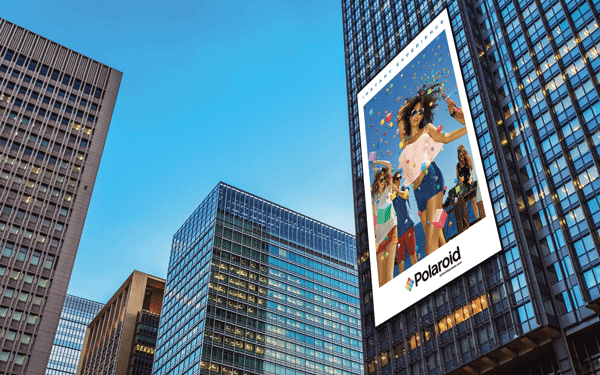
Outdoor Advertising:
Perhaps the most recognisable use of LED video walls is in outdoor advertising. For instance, famous areas like Piccadilly Circus are adorned with huge LED displays showcasing a variety of ads. These displays are typically formed of weatherproof LED panels, making them suitable for outdoor usage.
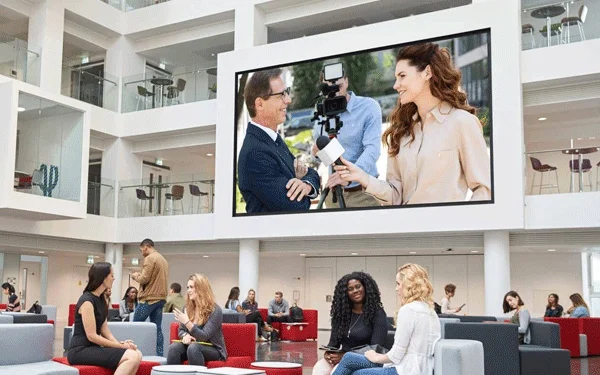
Indoor Corporate Use:
For indoor corporate use, LED video walls are often chosen when a large television isn’t enough, or where it’s difficult to get a large screen into a desired space. LED panels are modular in nature and can be transported and installed piece by piece in smaller boxes, which makes them a great solution when space or access is an issue.
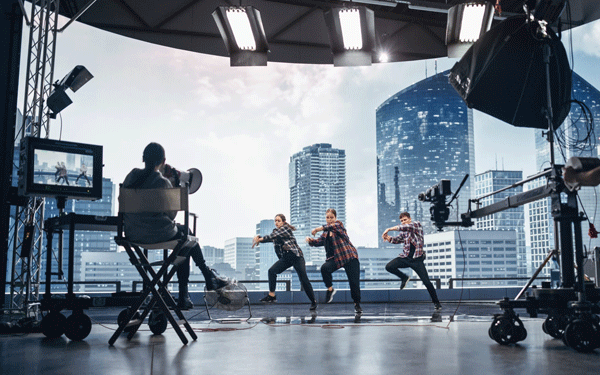
Staging and Backdrops:
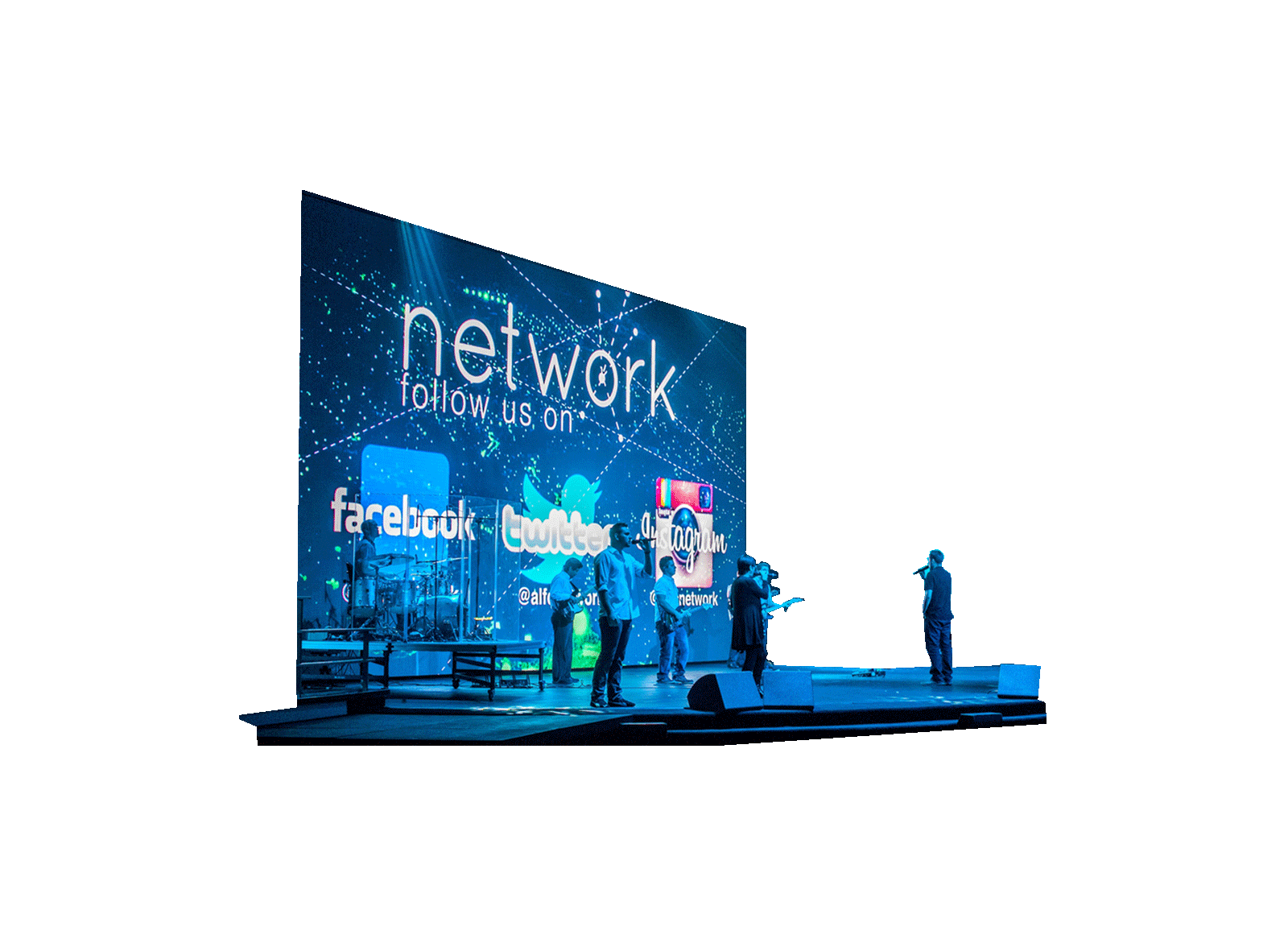
LED video walls are often used in TV studios and live events to create immersive backdrops. Instead of using green screens, high-resolution LED walls can be constructed to play video backgrounds, providing a more realistic visual effect.
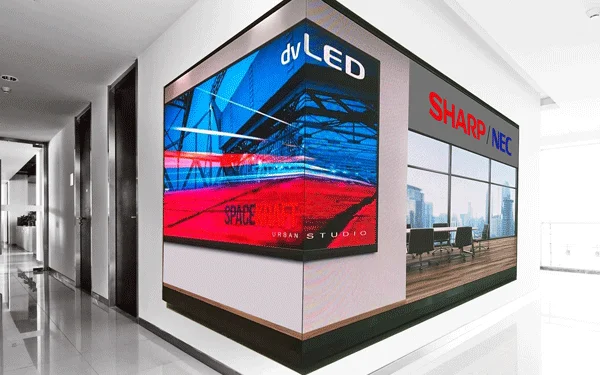
Retail:
In retail environments, LED video walls are used to make the setting more engaging or exciting. They are used for creative layouts of screens, making corridors of LED, or wrapping screens around doorways. They can also be used for in-store advertising.
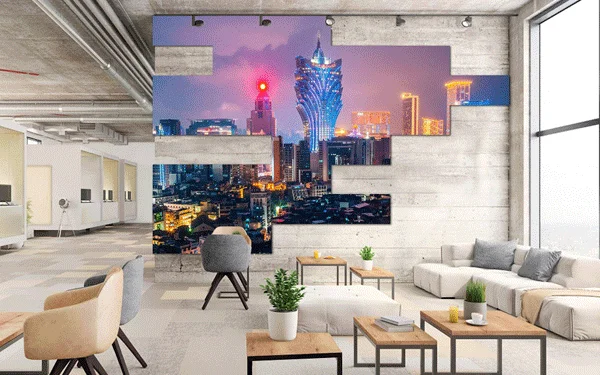
Hospitality:
In hotels and reception areas, LED video walls are used to create a “wow” factor. They can be tied with audio content to create a holistic experiential setting.
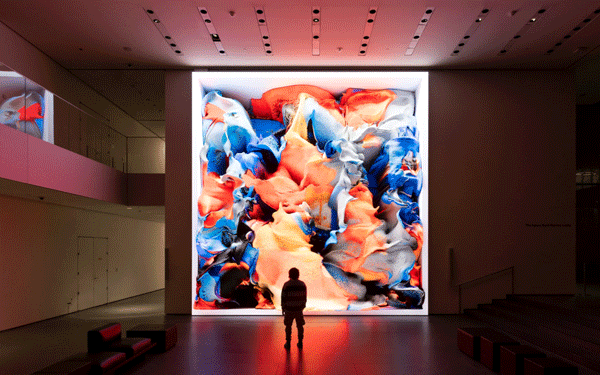
Art and Museums:
In the realm of art and museums, LED walls are used to create engaging and immersive experiences. They can be part of digital installations or used to display digital art.
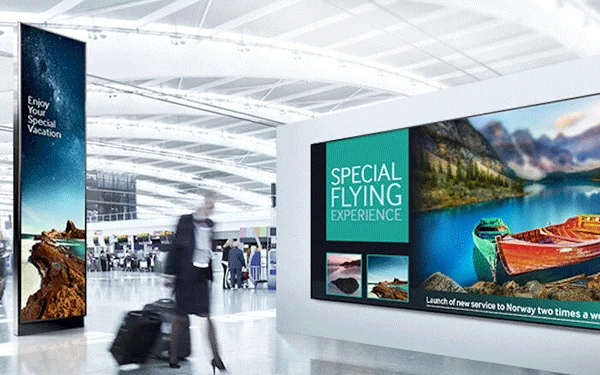
Transportation:
LED video walls are commonly used for advertising and information boards in train stations and bus stations. Some stations use full-colour LED for their train time announcement boards.
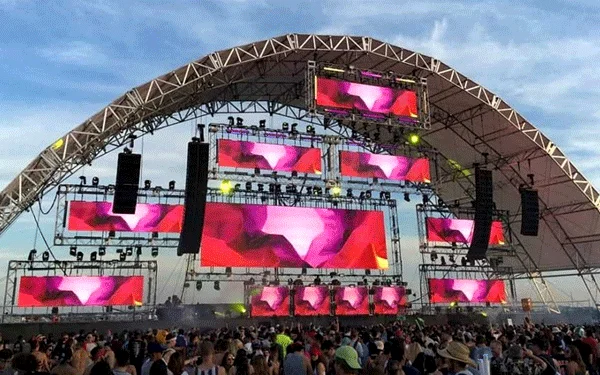
Broadcasting and Live Performances:
In broadcasting and live performances, LED video walls are used as set backdrops, often creating dynamic and changing scenes that enhance the overall spectacle.
How an LED Video Wall Could Work for Your Organisation:
Whether you are looking to engage customers in a retail or hospitality environment, improve communication in a corporate setting, or create a dramatic backdrop for events and broadcasts, an LED video wall delivers measurable impact. Running costs are low, content can be updated remotely, and a well-specified installation will typically last 10 or more years with minimal maintenance.